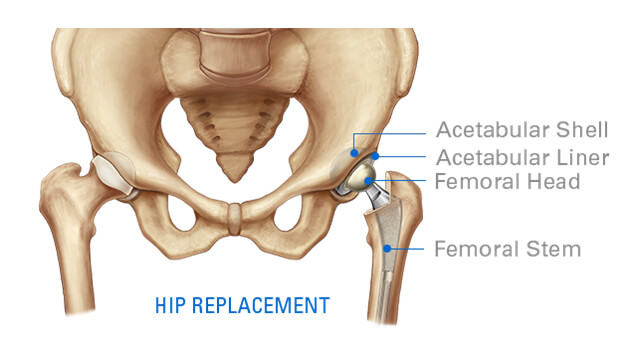
• Do not bend the hip beyond a right angle – so avoid sitting on a low chair or toilet seat (raised toilet seats are recommended for these weeks)
• Do not bring your affected leg across the centre line of your body – so avoid crossing your legs, or lying on your good side
• Do not twist your leg in or out – so avoid swivelling and lift your feet to twist from your torso
Although Pilates causes no problem, please refrain from classes for 8-12 weeks after surgery depending on how you recover. As you will be unable to drive, and will be walking with crutches or a stick, you may become tired quickly, so an hour long class can be too much initially.
If you are confident in Pilates, and able to practice at home, then you will benefit from exercises such as one leg stretch at the heel slide layer in these early weeks.
 Some people prefer to come back to classes when they feel able to drive. This is usually around 8 weeks, and you will have more confidence coming to the floor for exercises.
After 8 weeks…
It is no longer necessary to follow the initial precautions, so you will be getting used to moving around more without walking aids, and working towards being able to go up and down stairs normally. Core strength from your Pilates classes will definitely help with this. Pay particular attention to detail aligning joints in the standing mobility section, and check with your instructor if you are unsure of your technique.
Mobility moves such as standing on one leg, leg slide and lift, and half squats will all be great for strengthening the area around your new hip.
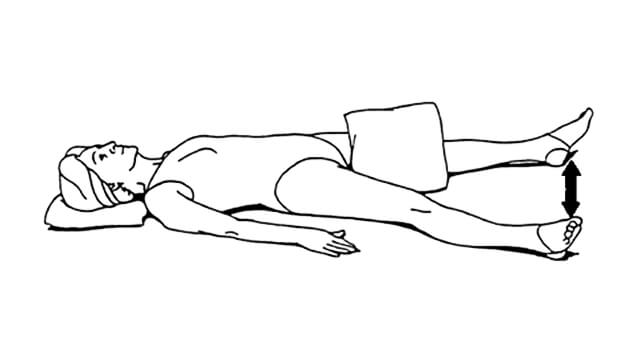
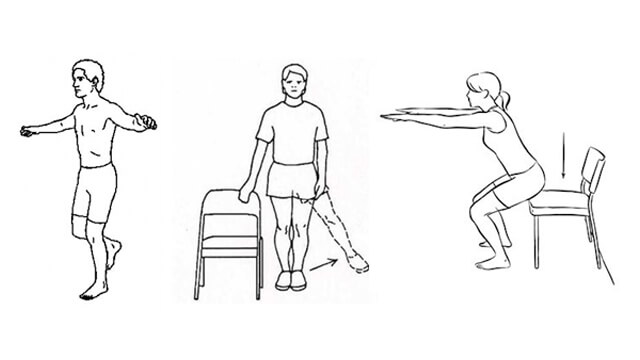 Be aware of twisting until you are 12 weeks post op. At this stage, you may also prefer to do the ‘side kick’ exercise laying on your back.
 After 12 weeks…
You should be back to your normal day to day life. No impact sports are advised yet, and you may still be working towards going up and down stairs independently. The rehab programme of exercises given should still be being followed.
After 6 months…
You should be back to all activities excluding high impact sports. You may feel as if the muscles around the hip are weaker, and this is something you can work on with your Pilates instructor. Exercises such as swimming, prone or on all fours, side kick, one leg stretch, one hundred legs only, and shoulder bridge are all fantastic to work towards pelvic strength and stability and would be part of your class anyway. You should not progress through your layers too quickly as for you, the main benefit will come from doing the lower levels really well.
 After 1 year…
You should be fully recovered and the hip should not be the limiting factor in your ability to do anything. You will be able to progress through the layers in your Pilates class to a level you normally would have and participate fully with no special considerations.