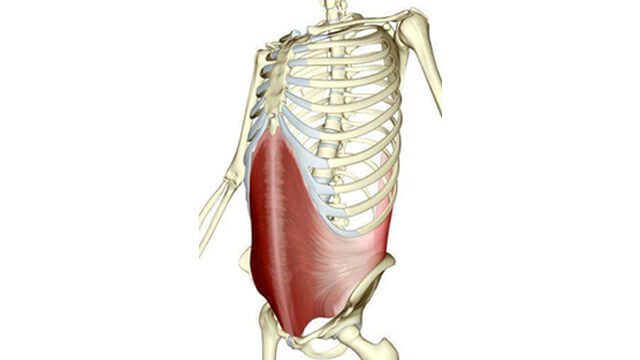
During this procedure the abdominal muscles (TVA, obliques, rectus abdominis) are not cut at any point.
Where to start?
A c-section is major surgery, and exercise of any sort must be kept to a minimum. In the beginning, getting up, walking and climbing the stairs are all challenging activities. Driving a car is not a physical task, yet it is recommended not to drive for 6 weeks after a c section. Keep this in mind, and listen to your body.
The surgeon cut through some nerve endings meaning you quite possibly cannot feel or activate your TVA voluntarily at all. This is your starting point. Making that mind body connection can take time (especially if you are a non Pilates person) as the nerve endings have to heal. As a non Pilates person, you will have to learn how to activate your TVA and pelvic floor muscles voluntarily. This is no mean feat, especially with a newborn and no sleep. Static TVA and pelvic floor contractions are a great beginning and will help strengthen the core ready for when further activity is possible.
All new mums will spend time sitting in various positions feeding their baby/babies. If you are aware of your posture, and are able to use this time for TVA and pelvic floor contractions, this can only help.
Ideas to aid understanding…
TVA and pelvic floor muscles can be activated quickly or held for a period of time in any position. If it in more comfortable (or easier to feel) on all fours – great. Let the tummy release, allow gravity to do it’s thing and feel as if the tummy is ‘hanging’, then draw the belly button in towards the spine without holding breath. When that is held, switch on the pelvic floor, as if trying to prevent yourself from weeing. This is a great position to understand the feeling. Once the mind body connection is there, these contractions can be done anywhere (even lying in bed!).
After 6 weeks…
Providing you have passed your 6-week GP check up, you may begin to use additional Pilates exercises to help regain your core strength and encourage recovery. It is normal to still have discomfort and pains around your scar. This was major surgery. Exercise is a choice. Often surgery wasn’t. Always listen to your body, and if anything becomes painful, then seek advice from your health visitor or GP. You will only be introducing preparation exercises at this stage, not the actual exercises, with plenty of reinforcing TVA and pelvic floor and it could be a while before you can progress further.
Exercises
Prep For One Leg Stretch
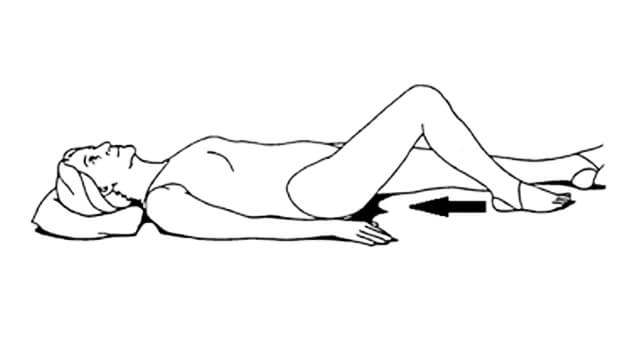
Laying supine, in neutral, TVA and pelvic floor engaged, monitor hip stability with hands, and slide alternate heels along the floor.
Prep For Shoulder Bridge
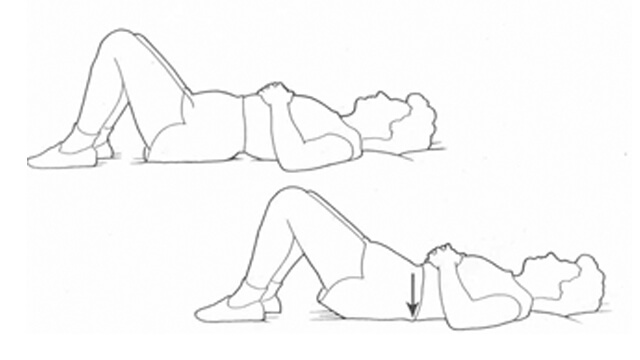
This movement would be referred to as a pelvic tilt. Take your time to focus on your neutral spine, tva and pelvic floor contractions, then mobilise your lower back.
Prep For One Hundred

Laying supine, in neutral spine, TVA and pelvic floor engaged. It is useful to check your hip stability with hands. Keep the level low, and focus on your stability.
Posture Education
Now you have a good understanding of your neutral spine, try to be aware of your posture as you get your car seat in and out of the car. This is difficult to do, and there never seems to be time to spend faffing about aligning yourself before you bend, twist and hoist the progressively heavier contraption into your car, however you definitely do not have time for injury. You have to make time to prevent unnecessary lower back pain. Take a moment to consider how to lower baby into their moses basket / cot without putting strain on the disks in your back. This is a task you will do multiple times per day. At the very least it needs to cause you no further bother. These are probably your most tired moments, but now is the perfect time to think about your standing posture to benefit your overall well-being and health and apply it to carrying baby without risking your posture.
These may not sound like much, but to you, the new mum recovering from a c-section, these are a challenge. If you can do a little bit often, this will make a massive difference.
After 12 weeks
Providing there have been no additional complications, and you are feeling well in yourself, you can begin to phase yourself back in to Pilates. You must be acutely aware that ‘more’ is not ‘better’ and that technique, neutral spine, TVA and pelvic floor are fundamental in achieving her fitness goals (although at 12 weeks, your goal may just be to leave the house for an hour!) Pilates instructors teach with layers for a reason. You will need to use these layers and work your way up gradually to a level that suits the new you.
Well done to all the new mums out there who have the energy to consider exercise at this point. Take it steady, and the benefits will come to you.