In the hands of the right instructor, Pilates is not only safe, but highly recommended during pregnancy
First things first
Pilates is minimum Level 3 fitness qualification. This means your instructor has up to date anatomy knowledge and has learnt to design and teach mixed ability Pilates classes. Pre and post natal exercise is a separate qualification and your instructor will apply the theory to the disciplines they teach (Pilates, Aqua, Gym etc). Make sure your instructor has a Pilates Level 3 certificate and is insured specifically to teach pre and post natal Pilates. The fitness industry is largely unregulated, so Pilates instructors who qualified prior to August 2005 will have received a much lower level of training to receive their Level 2 Qualification. If this has not been reassessed to the current Level 3 national minimum standards, their knowledge is potentially low level and out of date. Your safety at this time is far more important than your workout. Take your time to research who you want on this journey with you.
Pregnancy is a big deal, and you are on an amazing journey. The physical, mental and emotional stress you go through in this time can be tough. Your body is changing, hormones are racing, and you want to do whatever is best for the baby. It is a lovely, but often challenging time.
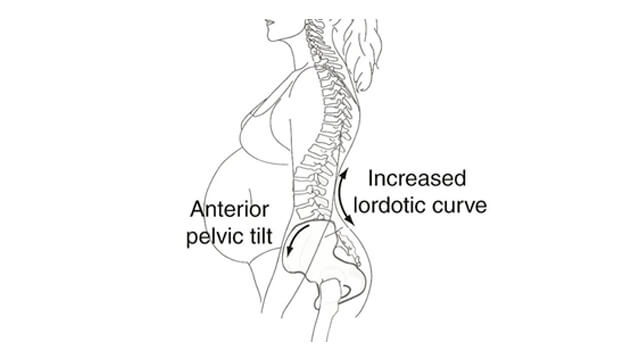 As your body changes, the increased abdominal weight can alter posture by exaggerating the curve in the lower spine. This then places pressure on your disks and can cause pain in the lower back. Equally, old injuries such as a slipped disk may resurface because your ligaments (connecting bone to bone) are less stable. This is due to the effects of a pregnancy hormone called relaxin. So if you have looser ligaments connecting your joints, and your spine is a series of joints, then we know your spine has become less stable.
Pregnancy increases strain on the spine due to the additional abdominal weight, and relaxin decreases spine stability by allowing the supportive ligaments to become lax.
When we put it like that, hopefully you can see why it’s not only safe to do Pilates in pregnancy, it is highly recommended.
If you are new to Pilates
Take time to learn how to switch on your transverse abdominis (TVA) muscle. This wraps around you like a corset helping to keep your spine safe. It will switch on naturally as you cough or sneeze, but if you can learn to switch it on, you can use it to keep you safe as and when you choose.
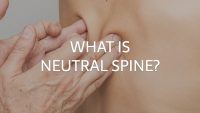
If you wish to find your TVA, press your fingers gently into your abdomen and cough. The muscle that moved is your transverse, and it switched on to protect your spine.
TVA activation is safe and recommended throughout pregnancy, even if diastasis reci (separation of the abdominal wall) is present.
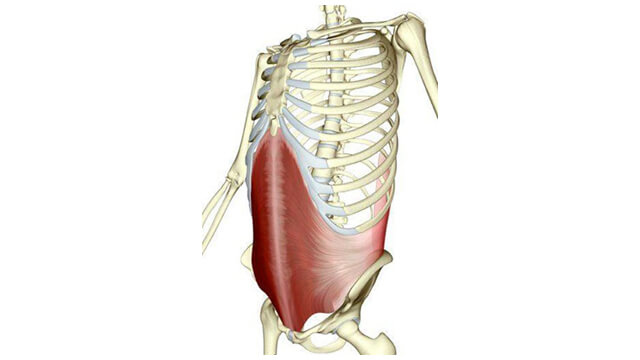 As this begins to make sense, your pregnancy will be progressing, so ideally find a pregnancy specific Pilates session that will focus on:
• standing, sitting and walking posture
• pelvic floor activation
• optimal feeding and lifting positions
• advice on posture while lifting car seats in and out of cars
• overall alignment to stabilise your spine during pregnancy and beyond
If you are a regular to Pilates
Your overall focus will be on maintaining their neutral spine alignment throughout the stages of pregnancy, and understanding how they can apply this after they have given birth. You will need to gradually lower the level of each exercise as your pregnancy progresses, and your instructor will have some adaptations for you to continue safely. You may prefer to continue in your regular Pilates class, but please discuss this with your instructor. If you choose to attend a Pilates for pregnancy class, you will have an opportunity to meet other likeminded mums-to-be in the area.
General considerations
Hormones:- Relaxin can be in the body from week 12 of pregnancy until 4 months after breastfeeding ceases. This could easily mean that a mother of a toddler still has a potentially unstable spine (and pelvis).
Exercise positioning:- As your pregnancy progresses, you will find you are unable to perform exercises lying on your front after 12 weeks, and should be encouraged not to lay on your back after 16 weeks.
Centre of gravity:- Your balance and stability will be challenged due to the shift in your centre of gravity and your instructor should give you alternative safe ways to challenge stability (eg seated on a fit ball).
Blood pressure:- You may become tired easily and should avoid any static holds (such as leg pull / the plank, even when adapted) as these cause a raise in the mothers blood pressure.
Stretches:- You should keep stretches short and sweet as although you may feel as if you could stretch more, this is the relaxin loosening your ligaments, rather than your muscles becoming more flexible. Now is not the time to encourage flexibility. We need to keep your joints safe and stable, so advise only short gentle stretches.
TVA:- Your TVA will be able to contract throughout pregnancy and is an important tool in helping to prevent pregnancy related back pain.
Most of all, have fun, learn something new, and be safe.